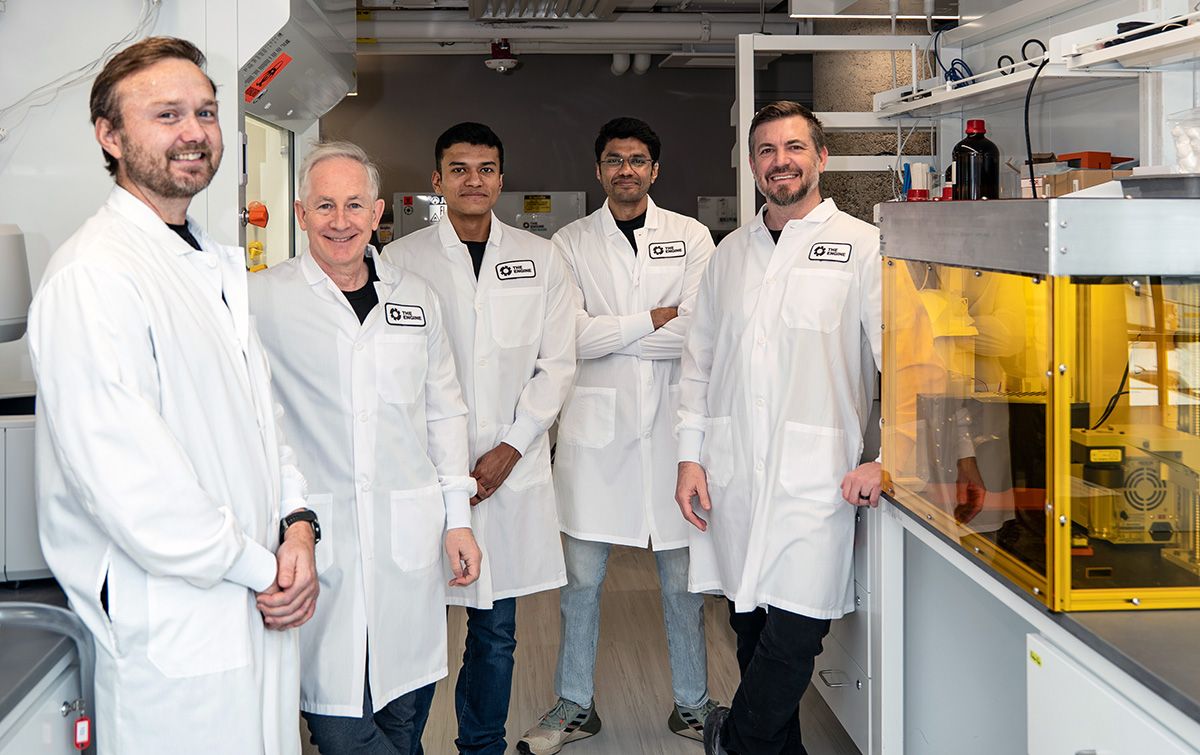
World-class engineering and business expertise.
Scientists and engineers at Lawrence Livermore Labs and Cal Berkeley were the original inventors of an exciting additive manufacturing technique called Computed Axial Lithography (Kelly et al., Science 2019). Unlike virtually all other 3D printing methods which print layer by layer, their invention printed items almost all at once (volumetrically), dramatically reducing production times. The limitation was that the machine could only print very small things.
Improving on this work, MAV co-founder Professor Robert Shepherd patented a new approach, building a machine that can print 30× the volume of the original invention at 10× the speed. The fastest commercial 3D printers today can create the object to the right in about 5 hours. Professor Shepherd’s machine can print the same item in about 3 minutes. We call this breakthrough approach Volumetric Manufacturing.
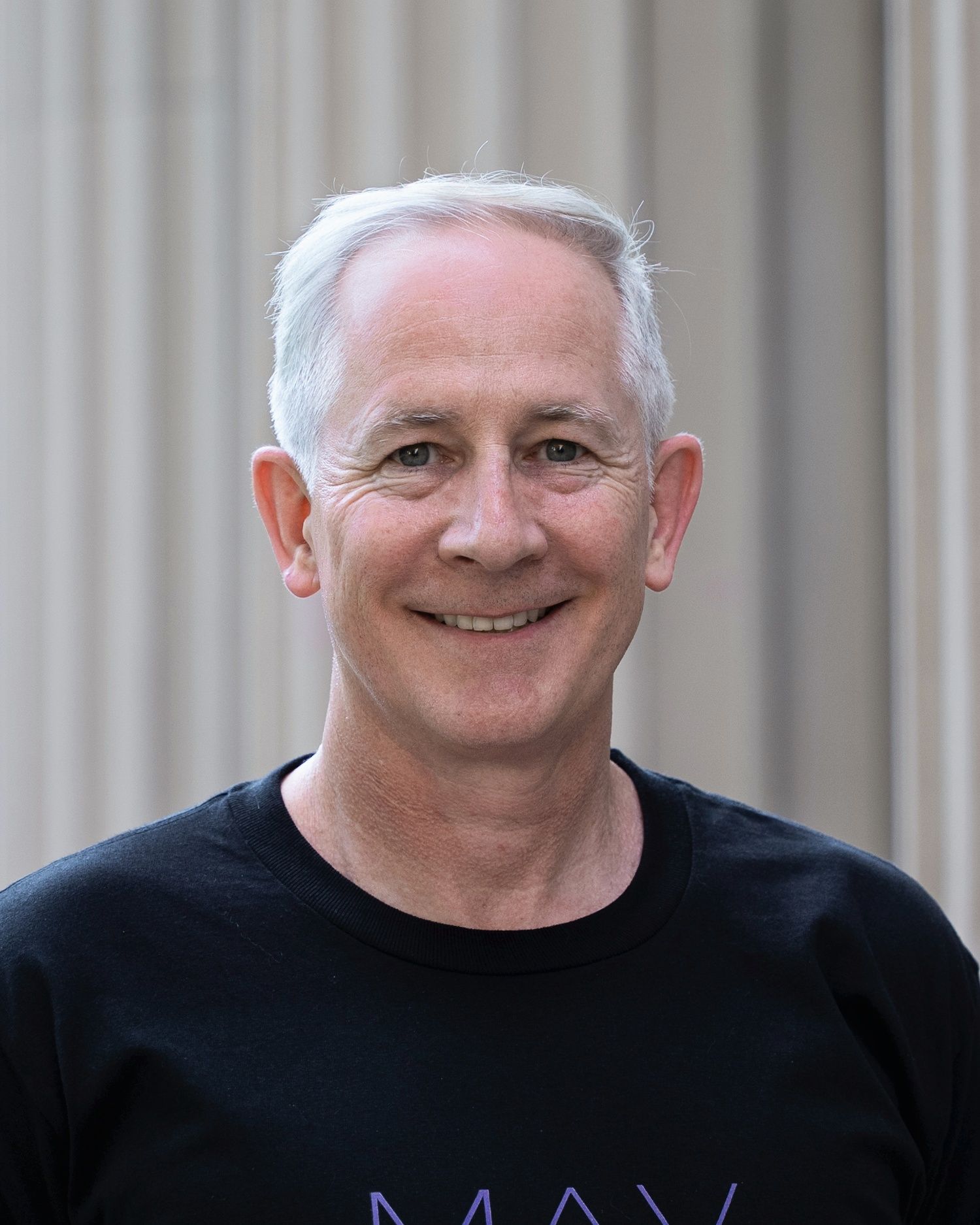
Cornell graduate with Harvard MBA. Former Nike GM with 10+ years managing businesses from $100M to $1B+ in revenue across three continents.

Ph.D. in Material Science and MBA from University of Illinois. Mechanical Engineering Professor at Cornell and co-founder of two successful startups.
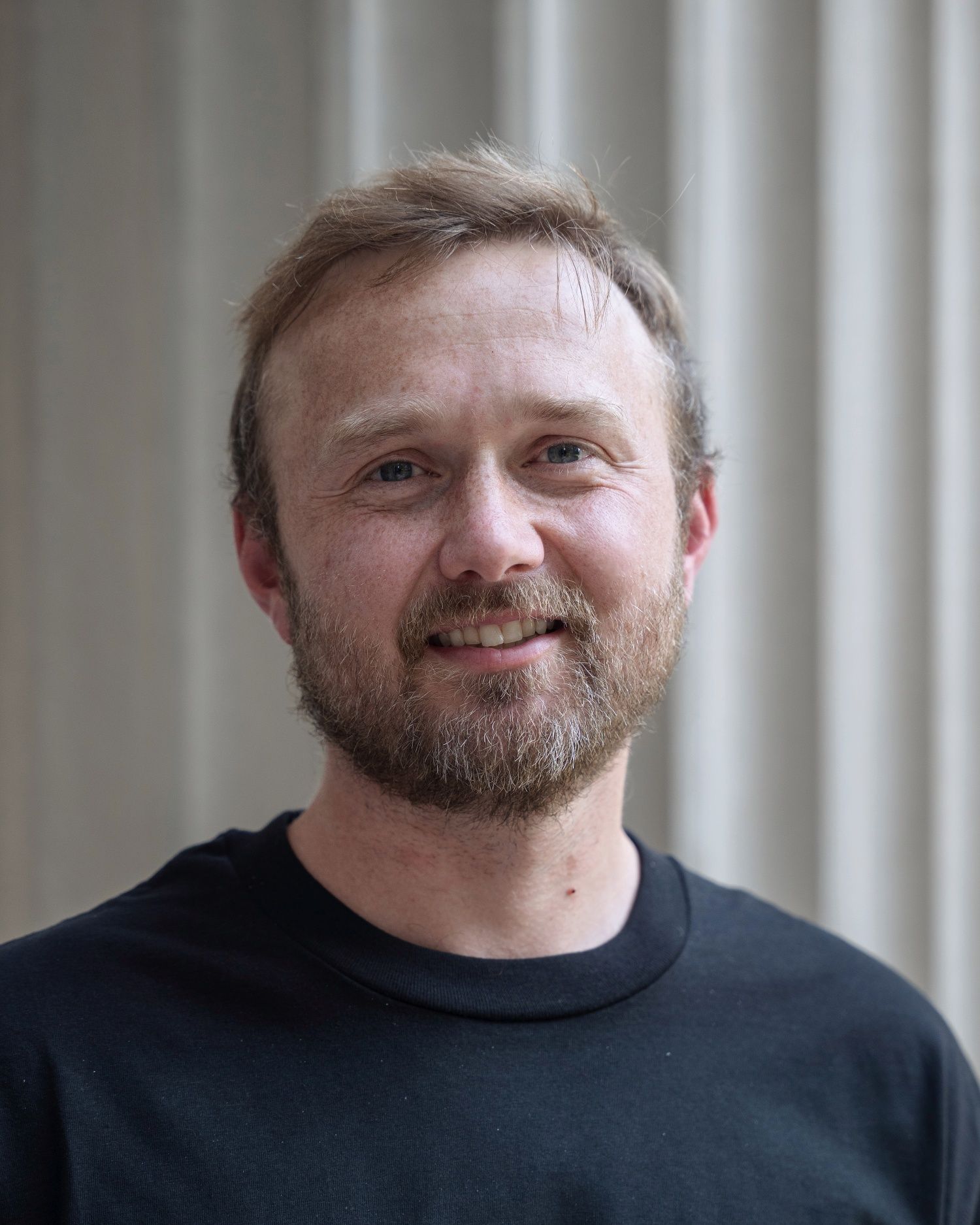
PhD in Materials Science from Cornell. MIT Assistant Professor with 35+ patents developed as Research Scientist at Meta's Reality Labs.




Materials science and process engineering, on call.

Former Under Secretary for Nuclear Security at the Department of Energy. Advisor to Anthropic and Lawrence Livermore National Security.

U.S. Navy Vice Admiral (retired) who commanded the 25,000 person U.S. Submarine Force. Former Huntington Ingalls Industries executive.